News and helpful articles about oral health
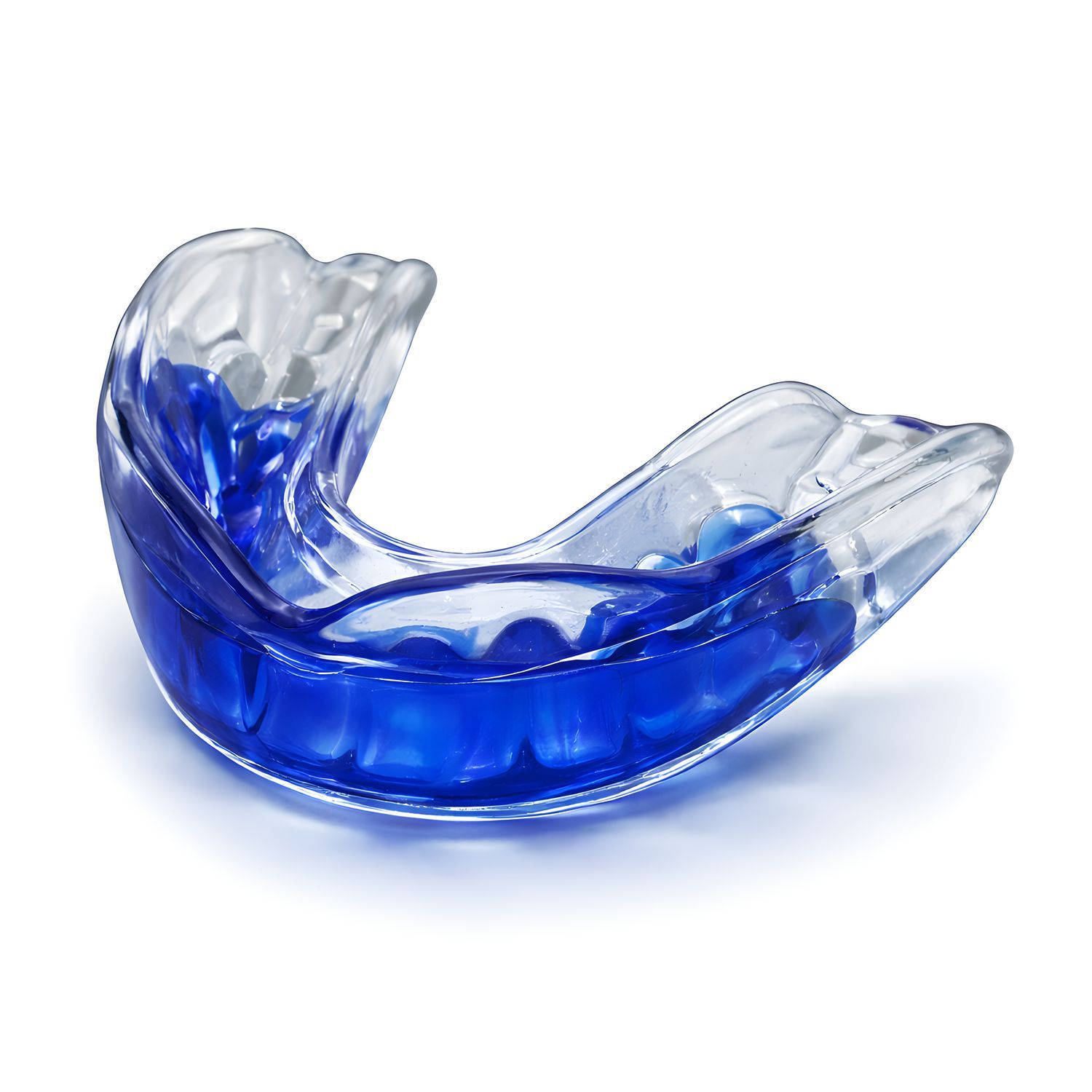
Why a Dentist-Fitted Sports Mouthguard Matters
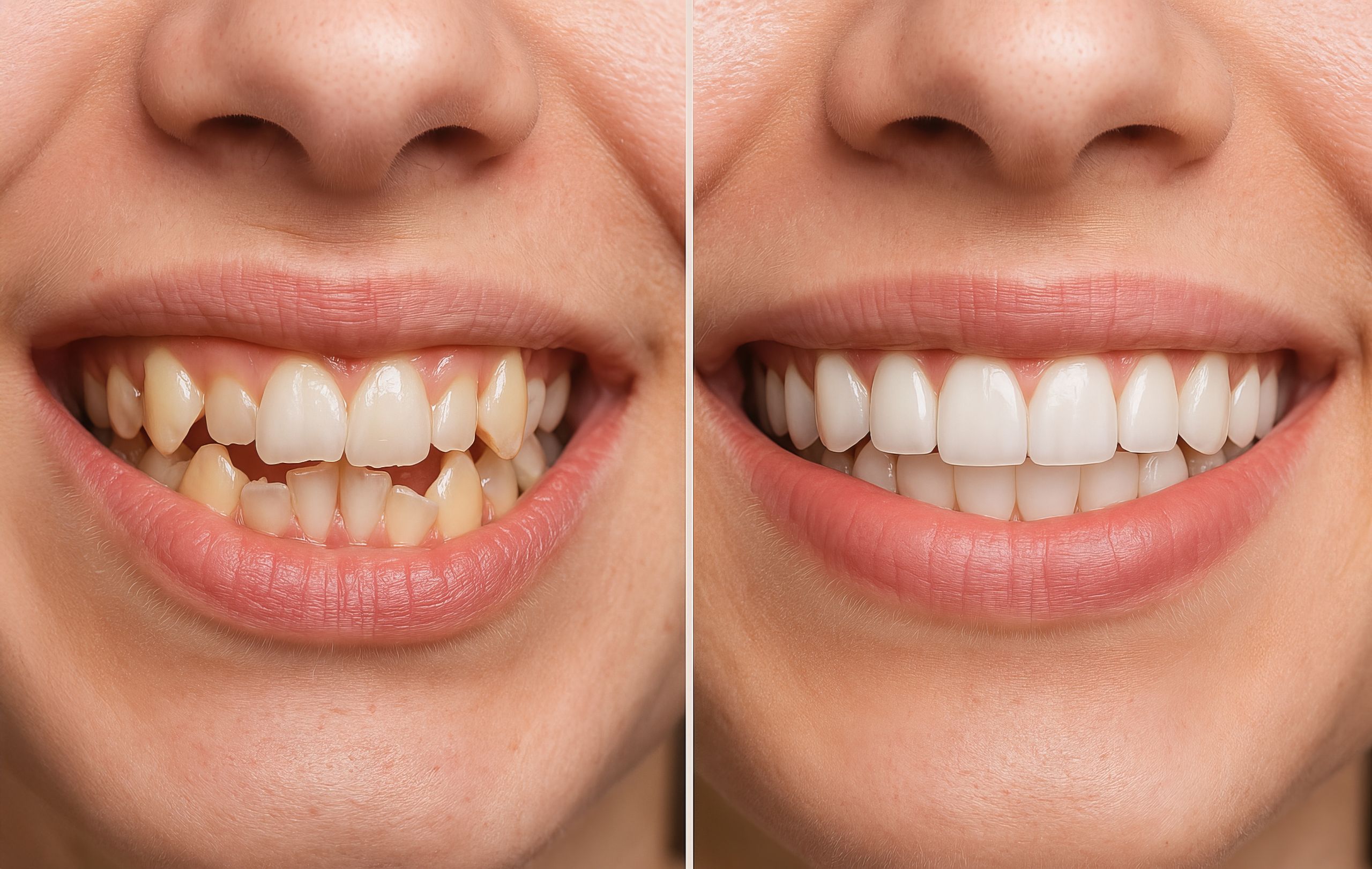
Teeth Whitening: Benefits, Process and What to Expect
Back-to-School Dental Checklist for Kids

The Christmas Smile Survival Guide: How to Keep Your Teeth Healthy During the Festive Season
Preparing for Your Smile Journey: Before, During & After Braces

Top 5 Signs Your Child May Need Braces

How to make brushing teeth fun for kids
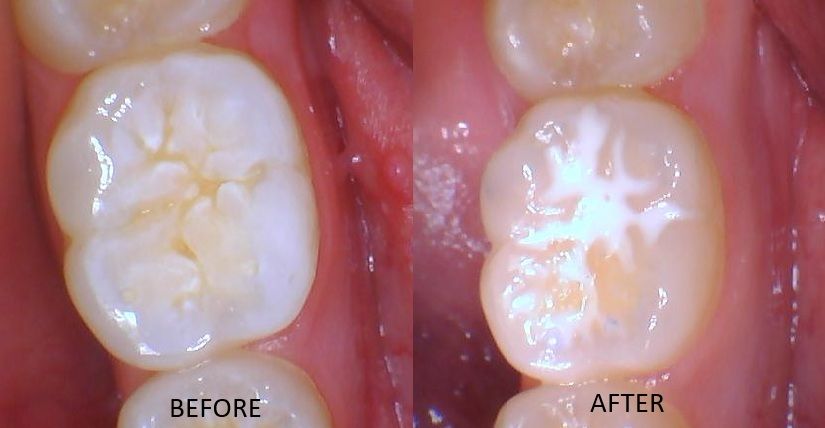
Fissure Sealants: Protecting Your Child’s Teeth from Decay
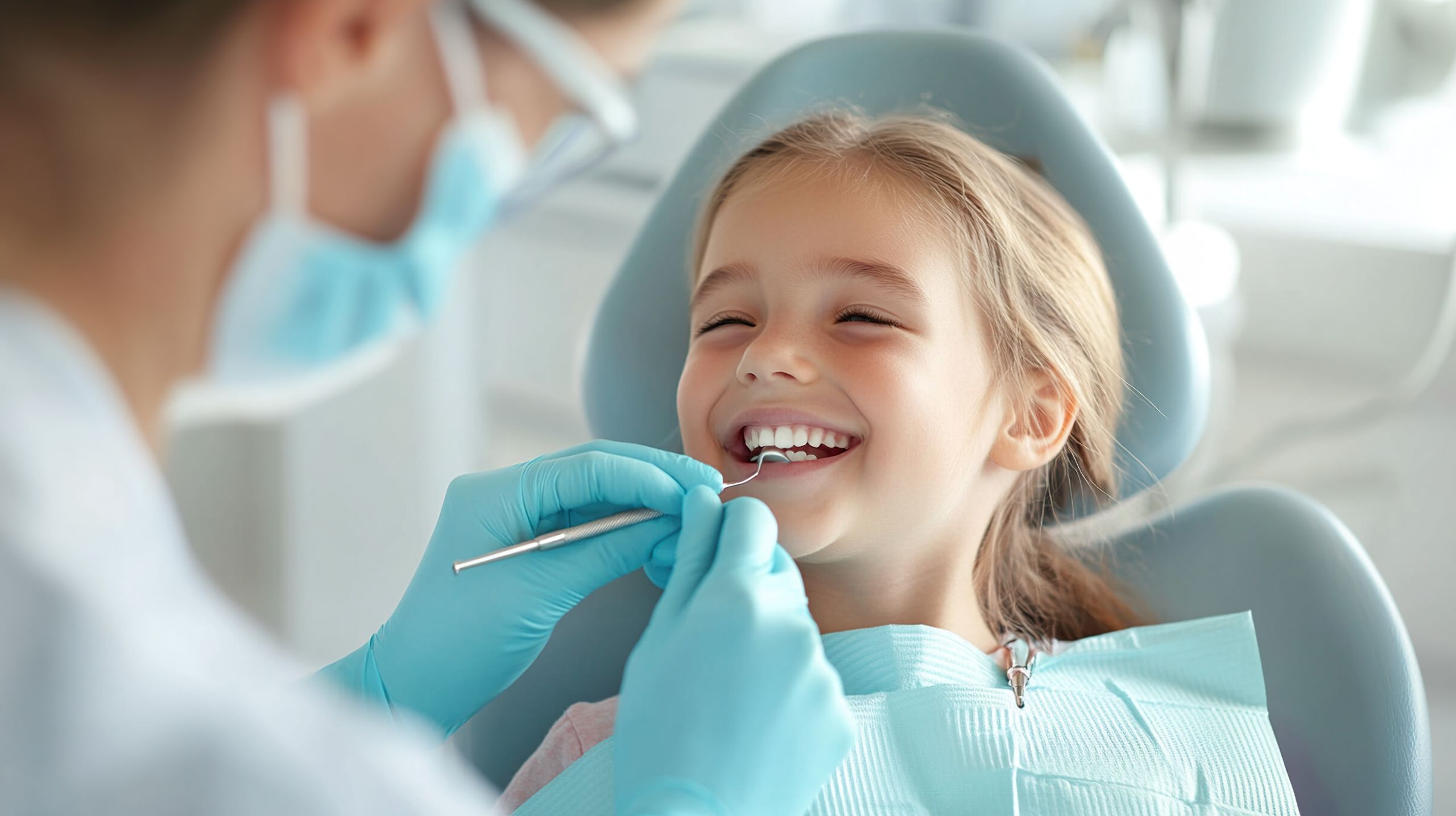
Why Baby Teeth Are So Important and How to Look After Them
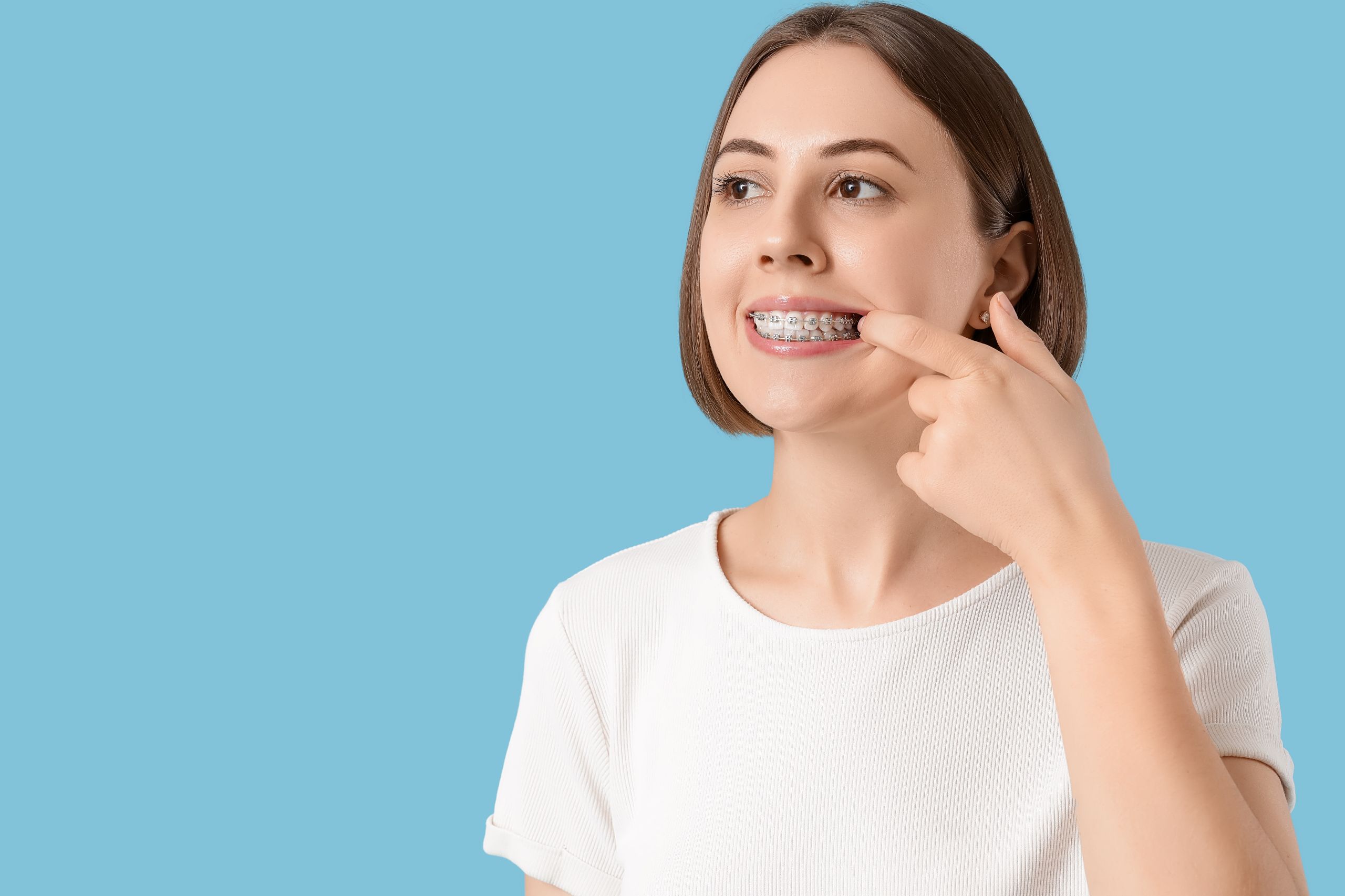
How to Care for Your Braces: Tips for Keeping Your Braces Clean and Comfortable
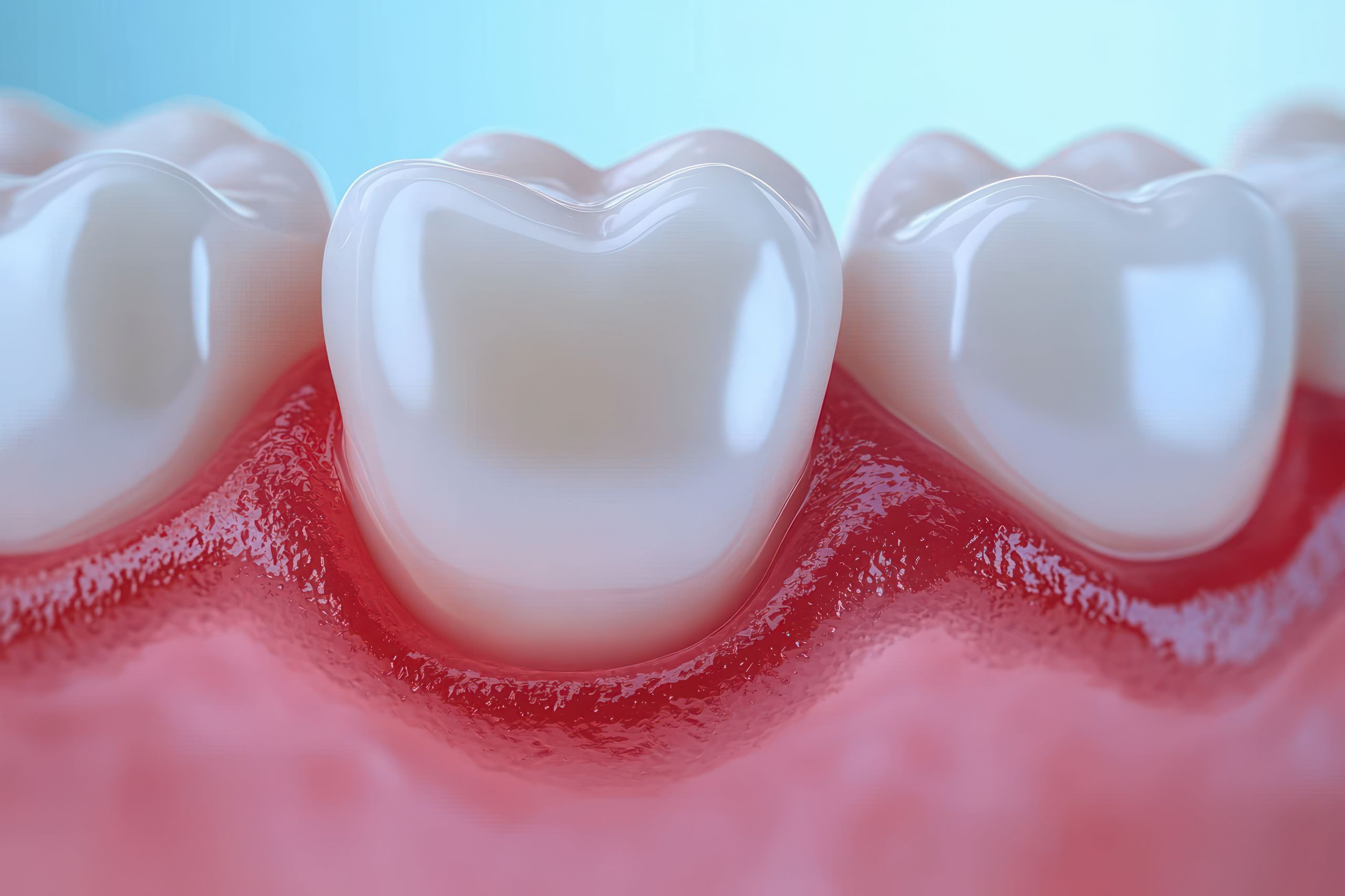
How to Prevent Gum Disease: Simple Habits for Healthy Gums
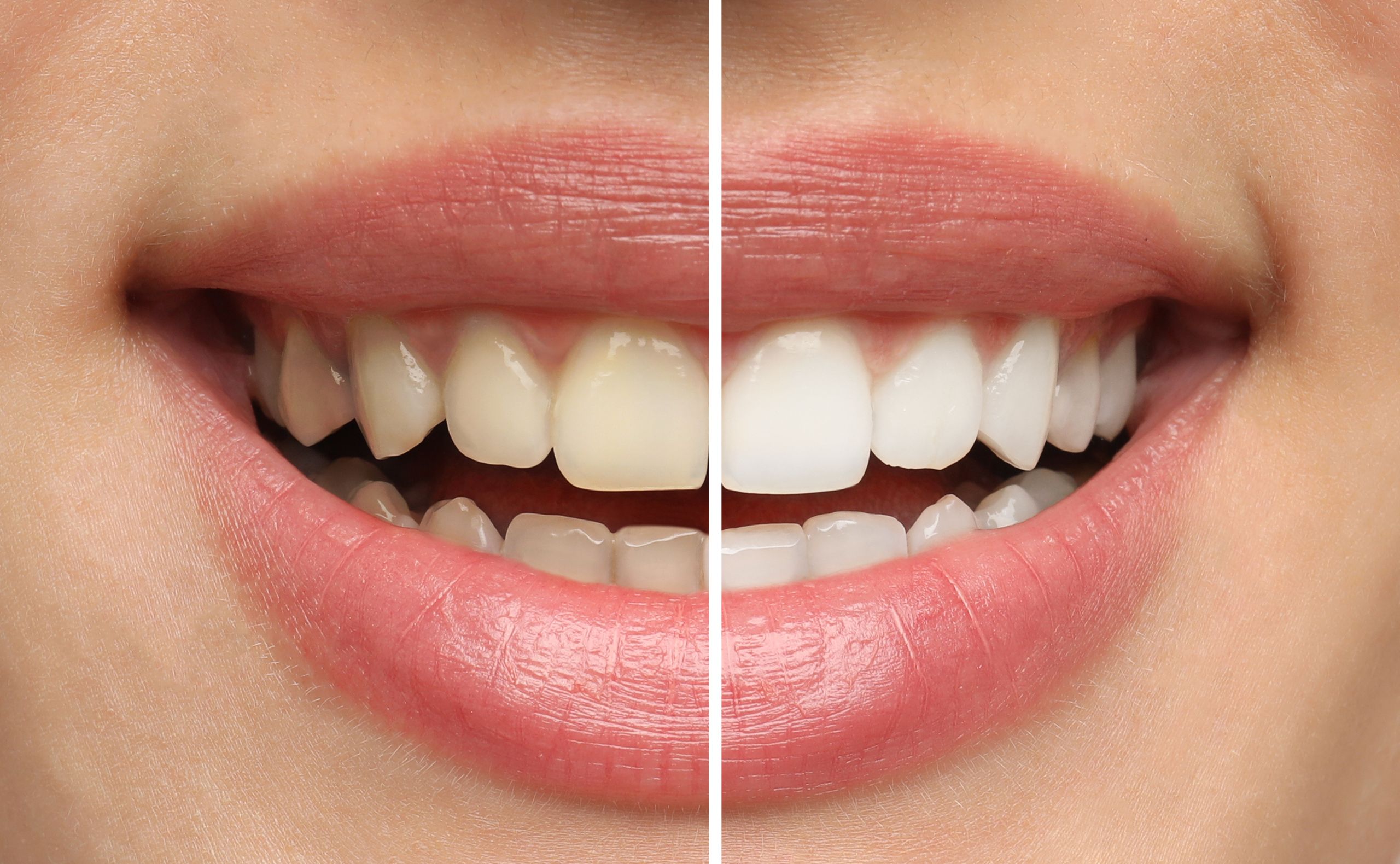
Teeth Whitening: What You Need to Know Before You Start
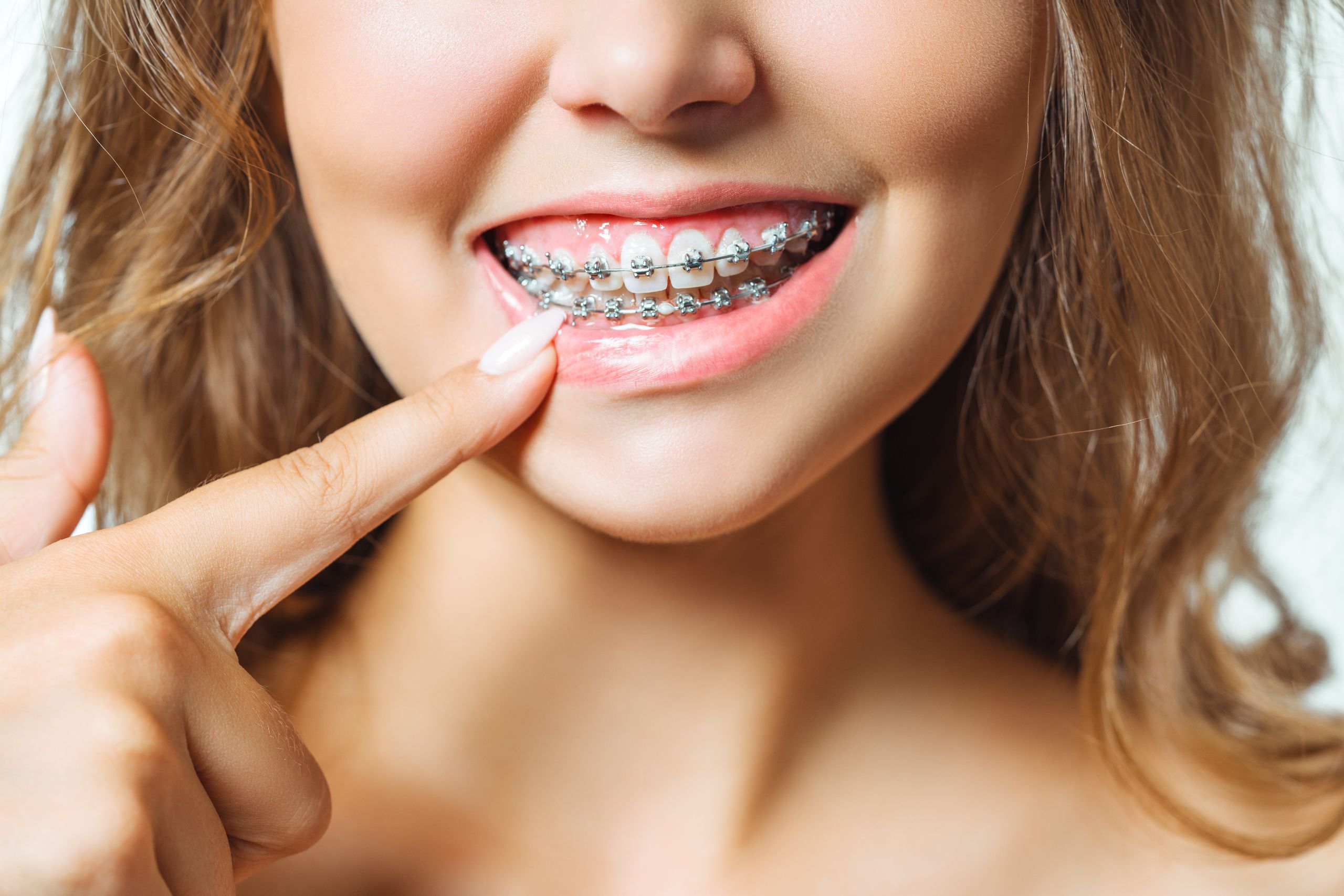
5 Myths About Braces You Should Stop Believing

Foods to Avoid for Better Oral Health

Benefits of early Orthodontic treatment for Children
How to Avoid Tooth Sensitivity: Causes and Solutions
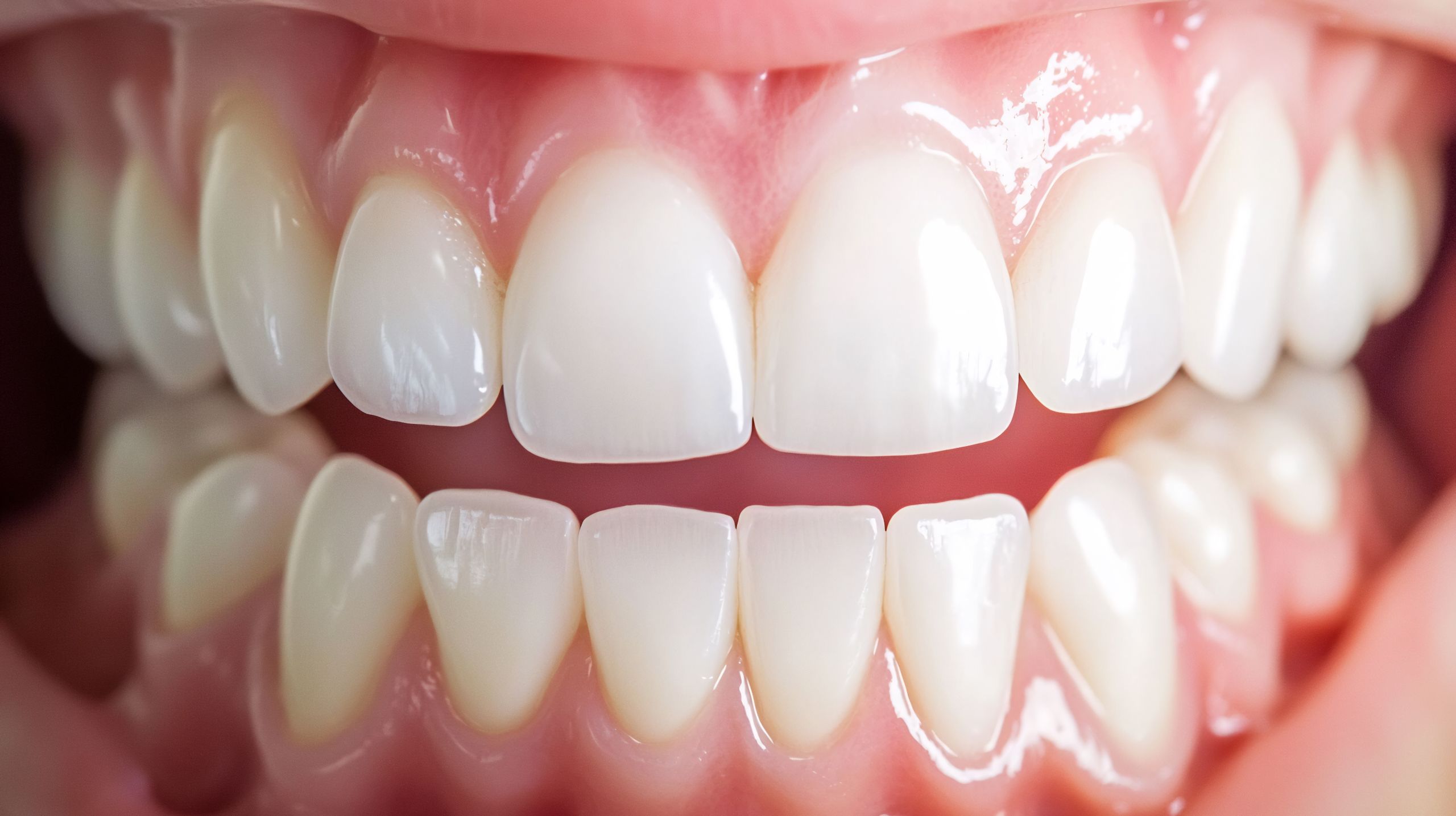
Tips for Maintaining Healthy Teeth and Gums at Home
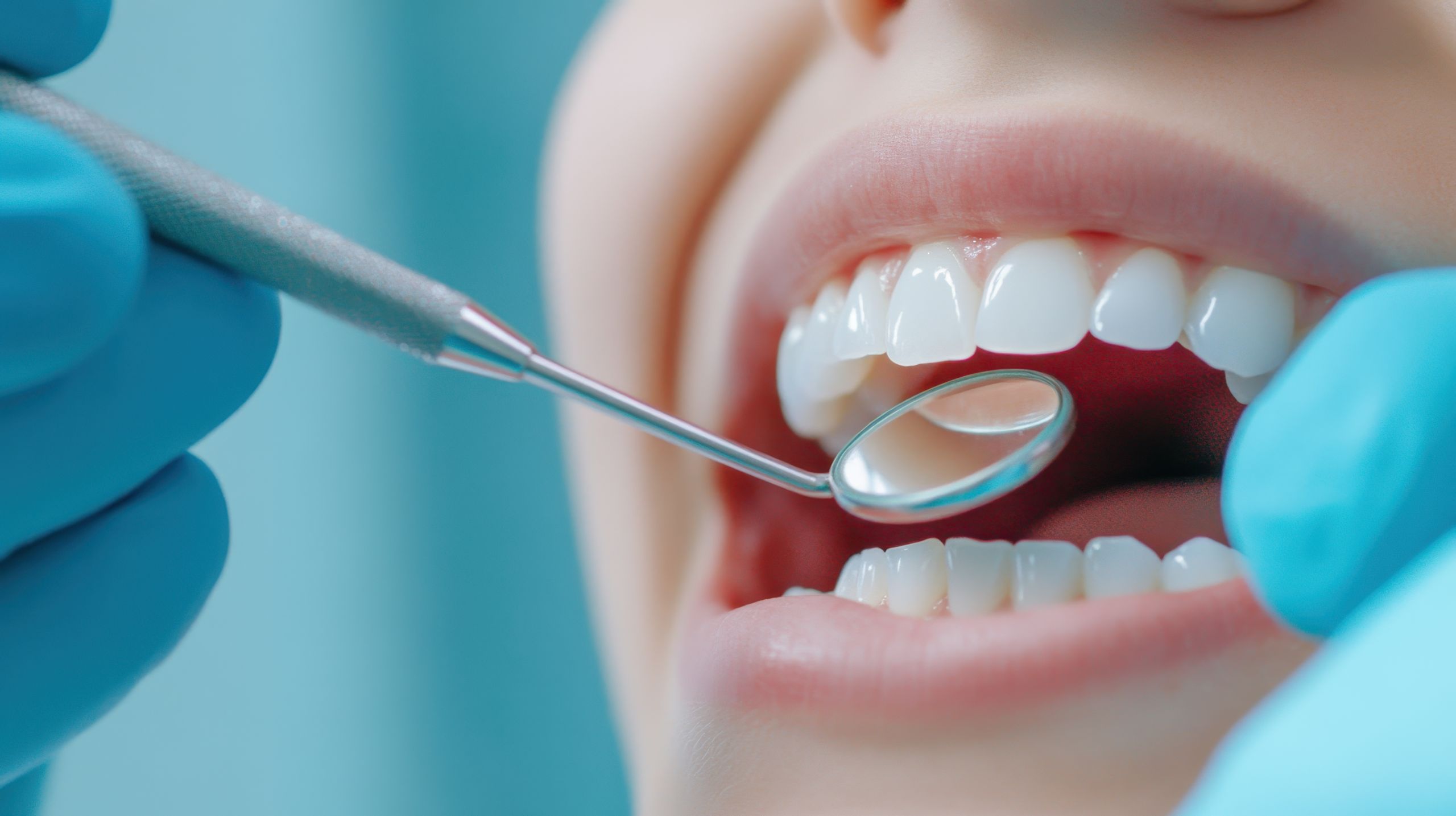
The Importance of Regular Dental Check-Ups and Cleanings
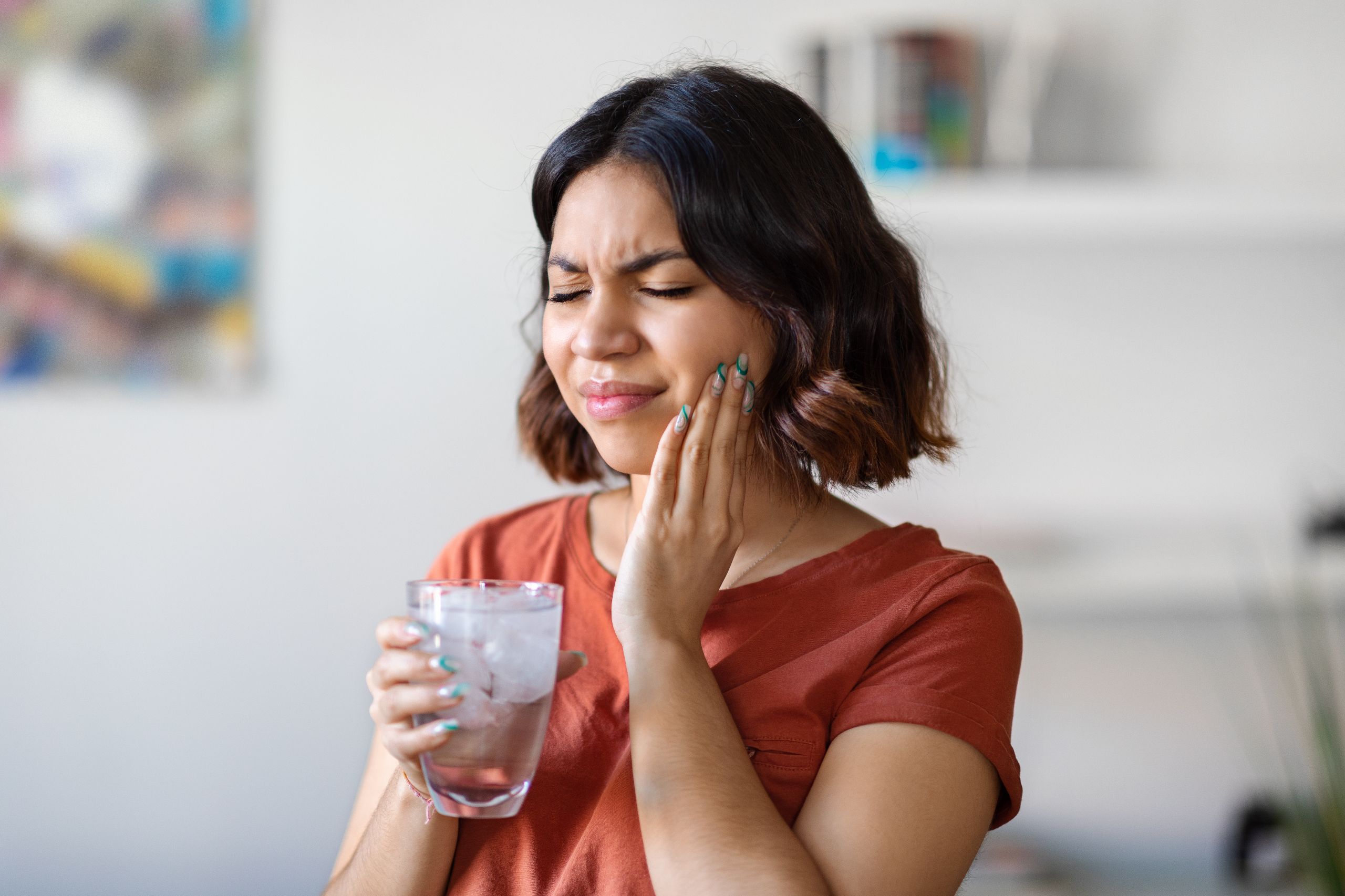
Tooth sensitivity can make eating and drinking certain foods and beverages painful. If you experience discomfort when consuming hot, cold, or sweet foods, it’s likely due to tooth sensitivity. At Wallacia Dental, we’re here to help you understand what causes sensitivity and how to manage it.
There are several potential causes of tooth sensitivity, including:
Worn Enamel: Enamel is the protective outer layer of your teeth, and when it wears down due to brushing too hard or acidic foods, it exposes the underlying dentin, which is more sensitive.
Gum Recession: When gums recede, the roots of your teeth become exposed. These roots are not covered by enamel and can cause discomfort when exposed to temperature changes.
Tooth Decay: Cavities can lead to increased sensitivity in affected areas as they allow bacteria to reach deeper layers of the tooth.
Cracked Teeth: Cracks in your teeth can expose nerves, leading to sensitivity to temperature or pressure.
Teeth Grinding: Bruxism (teeth grinding) can wear down enamel and cause tooth sensitivity over time.
Use a Soft-Bristled Toothbrush: Brushing with a hard toothbrush can wear down enamel and cause gum recession. Use a soft-bristled toothbrush and gentle brushing motions to protect your teeth and gums.
Switch to a Toothpaste for Sensitive Teeth: Special toothpaste for sensitive teeth contains ingredients that help block the nerve endings in your teeth, providing relief from discomfort.
Avoid Acidic Foods and Beverages: Foods like citrus, soda, and wine can erode enamel. Limit your intake of acidic foods and drink water afterward to rinse away acids.
Wear a Mouthguard at Night: If you grind your teeth at night, a custom mouthguard can protect your teeth from further damage.
Seek Professional Treatment: If sensitivity persists, it may be due to an underlying issue like tooth decay or gum disease. At Wallacia Dental, we can recommend treatments like fluoride applications, dental sealants, or root canals to alleviate the pain and address the cause.
If your tooth sensitivity is severe or doesn’t improve with over-the-counter solutions, it's important to schedule a visit to Wallacia Dental. Our team can identify the cause of your sensitivity and recommend the best course of action to restore comfort to your smile.
What our clients have to say

"Couldn’t recommend a better dentist, family friendly great with kids. Professional and welcoming David is a great dentist, honest and trustworthy. Unlike other dentists I’ve seen he is not motivated by money in any means is all about helping you. His assistant is a beautiful kind women I love coming here and my daughter actually enjoys seeing the dentist!"
"Lovely experience going to see David. His assistant is worth her weight in gold. They're professional and personable at the same time which isn't common these days. No judgement just helpful information. Great with my very inquisitive talkative and anxious adolescent daughter and even better with my anxious middle aged self. Highly recommend the services David and his addition provide for the entire family."
"Many thanks to the amazing team at Wallacia Dental who fixed my nervous 7yo’s tooth quickly and effectively with no tears and lots of smiles!"
"Absolutely fantastic!!! I feel so comfortable and welcome every time I visit. Highly recommended! Dr Dave and Alicia make a fabulous team. I wish I’d found them years ago. Thanks for all you do to make me feel comfortable."